|
|
Galicia, Northern Spain - A place in which you can truly live and feel
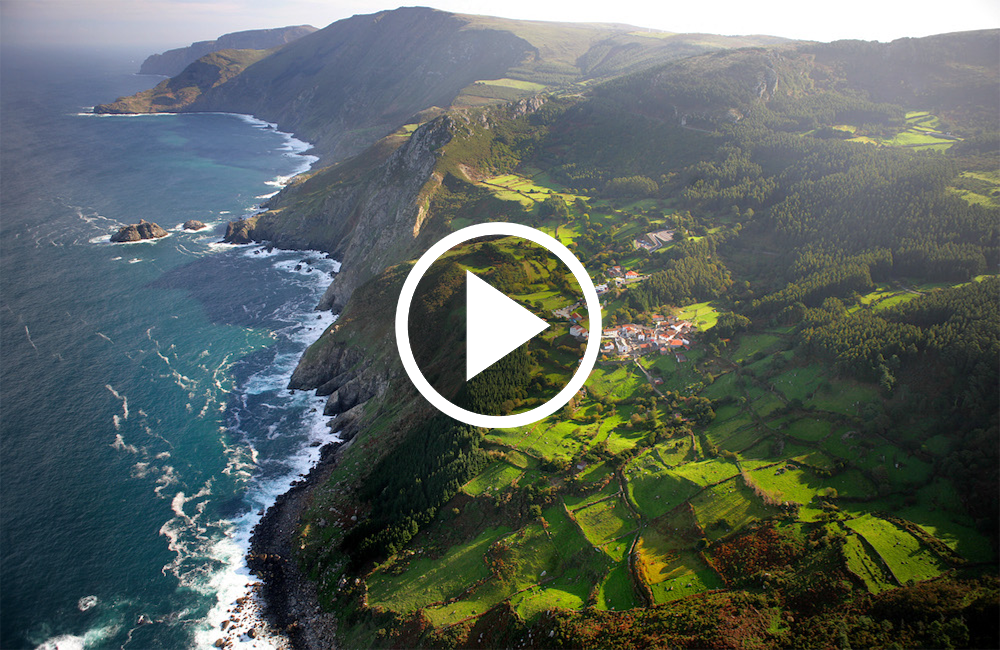
Located in the northwest corner of Spain and with a population of just under three million, Galicia is a perfect and unique destination, and very representative of the lifestyle of northern Spain. It is visited by millions of tourists every year of the most varied profiles, backgrounds and interests, essentially because it is a place that offers different experiences based on its natural beauty and its immense cultural and historical heritage.
This is mainly thanks to its natural heritage, of which a large part is protected, including vast forests, endless beaches, traditional fishing villages and charming towns. This region also has a great weight of personality, which is immediately clear in its cultural iconography, with the hórreos, or traditional granaries raised from the ground by stone, cruceiros, or traditional stone crosses placed at crossroads or near chapels, chuches and cemetaries, and the traditional sound of the Galician bagpipes distinguish this region from other destinations in Spain.
|
|
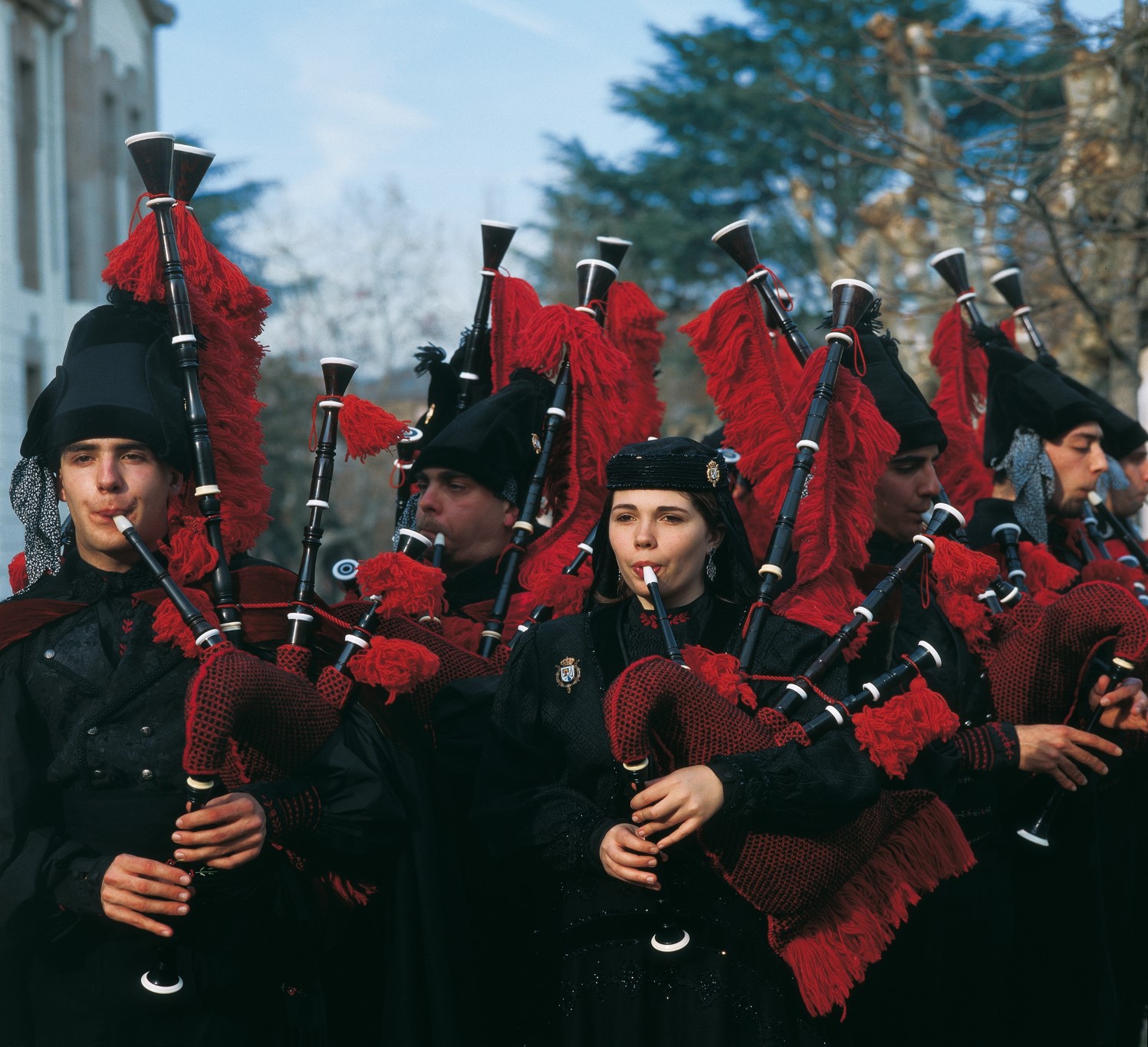 |
Gaiteros – Galician Bagpipers
|
|
An Avant-Garde Gastronomic Destination |
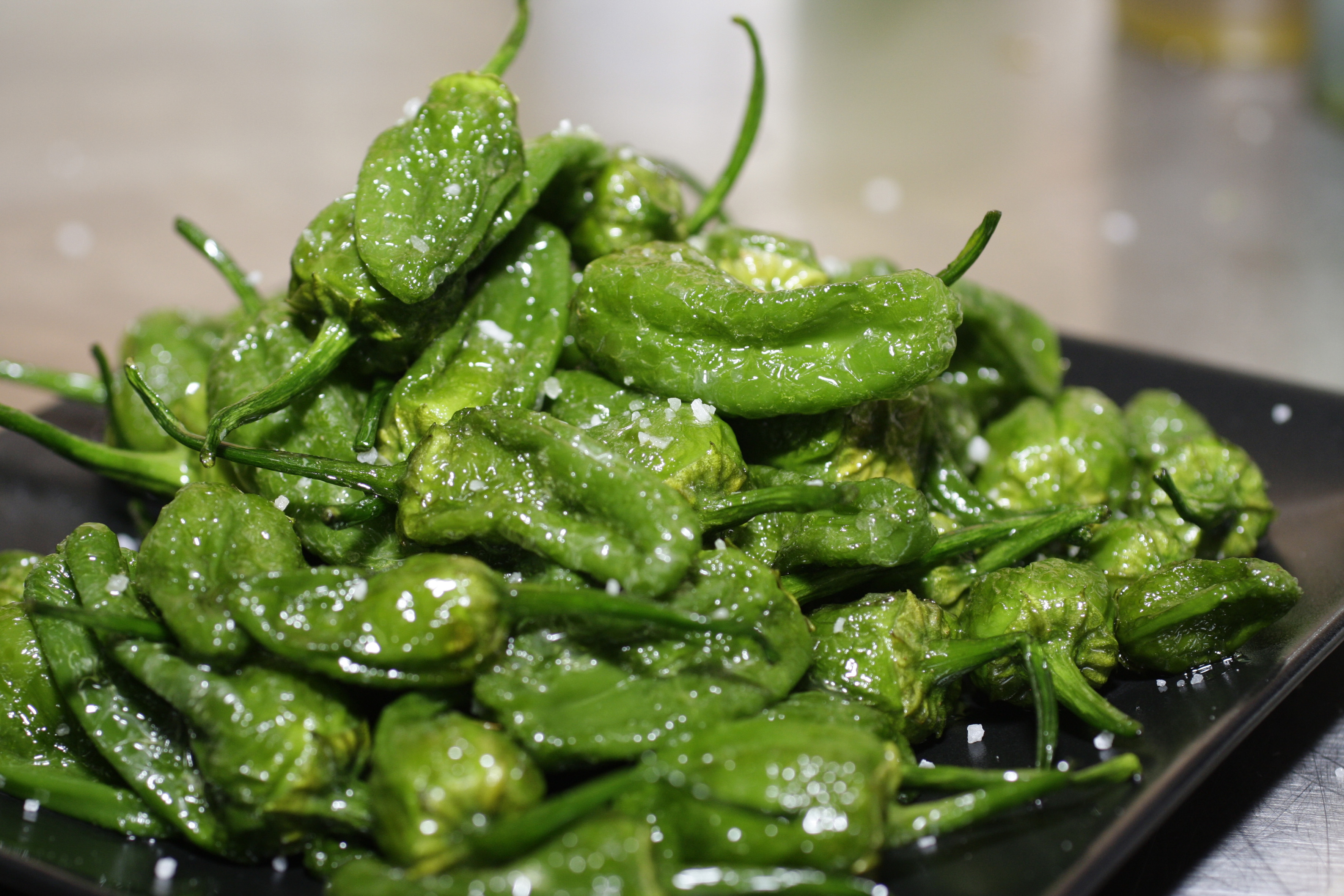 |
Padrón Peppers. The people of Galicia often say “Os pementos de Padrón, uns pican e outros non”
(some are hot and others not).
Galicia is also home to stunning freshwater locations.
And there is no doubt that it is also an important region when it comes to Spanish food. Thanks to its excellence in local produce, its long culinary tradition and the strong commitment of professionals in the sector, Galicia is becoming an avant-garde gastronomic destination, with numerous Michelin-starred restaurants.
|
|
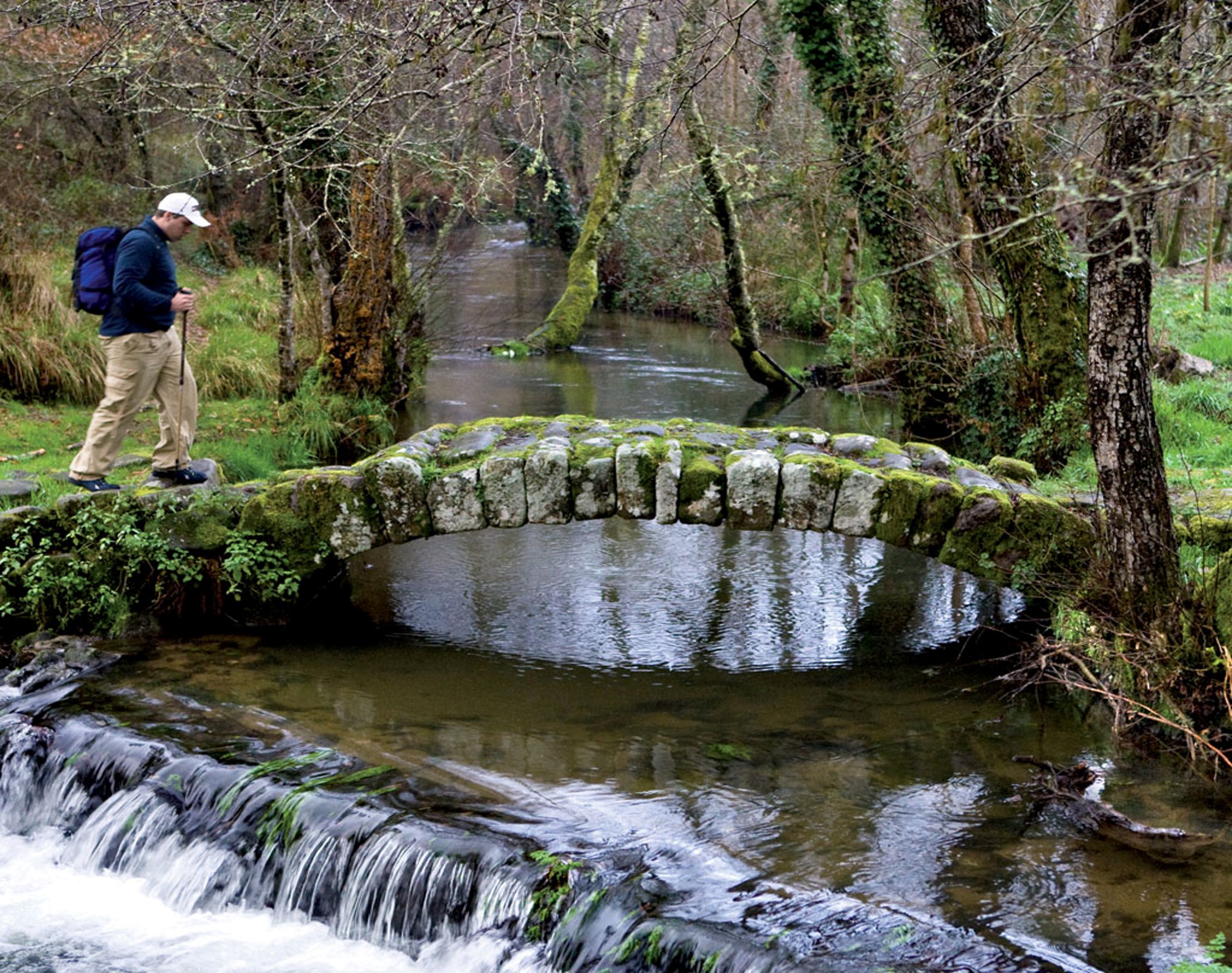 |
Camino de Santiago Pilgrimage
Historical Heritage
Galicia is history and heritage dating back thousands of years. There is an abundance of megalithic monuments, such as dolmens, cave engravings and castros, fortified settlements from the Iron Age. There are also numerous Roman remains, including the Roman wall in Lugo, or the Tower of Hercules in A Coruña, both of which have been declared World Heritage Sites. It has more than 700 listed sites of cultural interest.
|
|
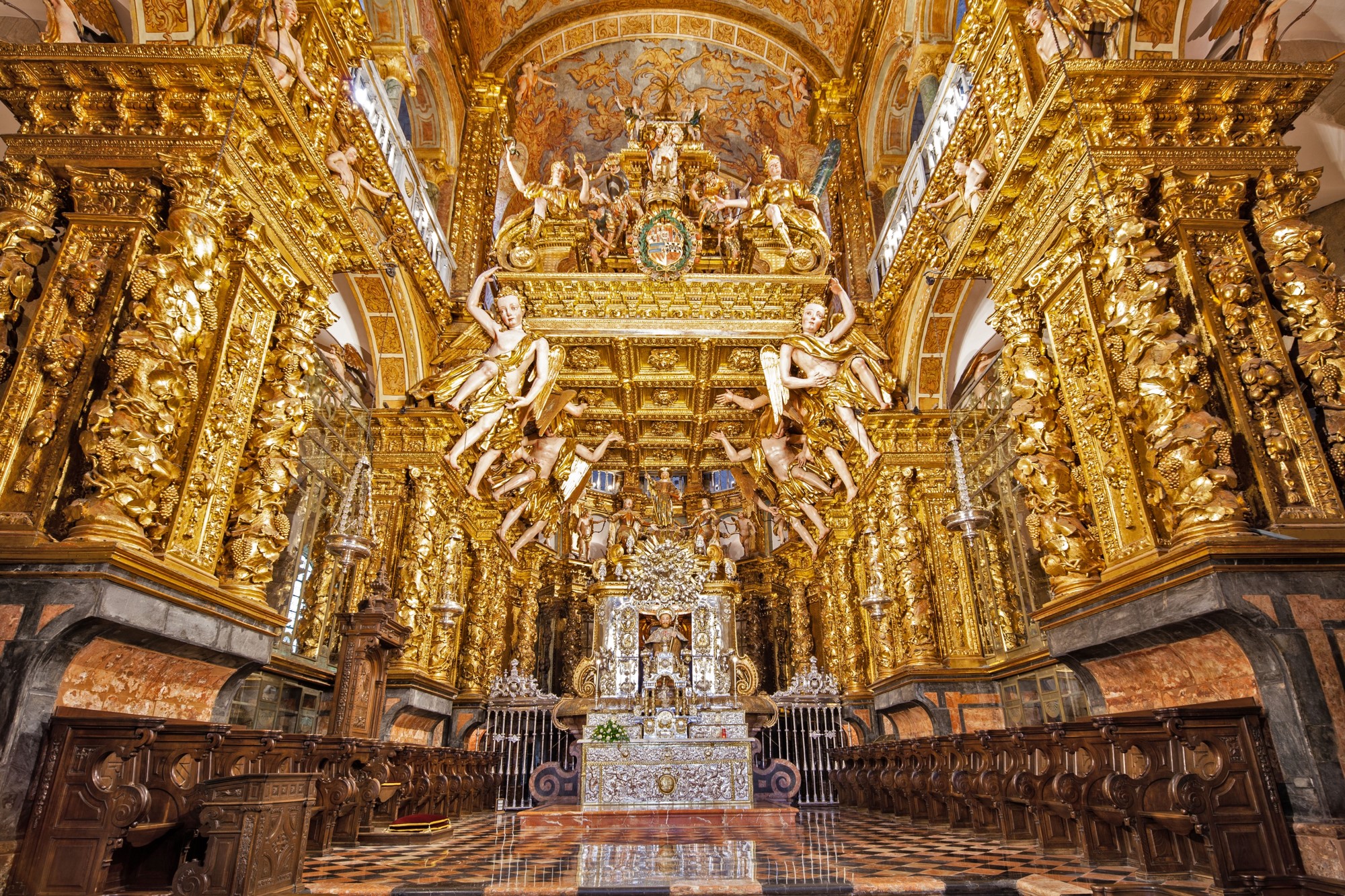 |
High Altar of Santiago Cathedral
If there is one thing that makes Galicia a European reference point, it is the many routes of the way to Santiago de Compostela. It had its splendour in the Middle Ages and was declared the First European Cultural Route by the Council of Europe. Nowadays, more than 400,000 people a year follow its ten routes in Galicia.
At the end of the Jacobean Route, you find the Cathedral of Santiago de Compostela, one of the main symbols of Galicia for its heritage value, for its historical importance in the shaping of its own European identity and for its promotion of the image of the Galician community the world over.
Historical Legacy
This historical route has left its mark on an important heritage legacy of churches, cathedrals, monasteries and palaces throughout the Galician territory, allowing travellers to enjoy the great works of Romanesque, Gothic or Baroque art, all of them very representative of the European architectural legacy.
Galicia also has a very rich folkloric, musical, literary and theatrical culture. Even today, oral culture continues to keep alive age-old customs. This living popular culture, together with the constant work of public administration and society, has enabled the collective memory and the Galician language, to be passed on from generation to generation for centuries.
|
|
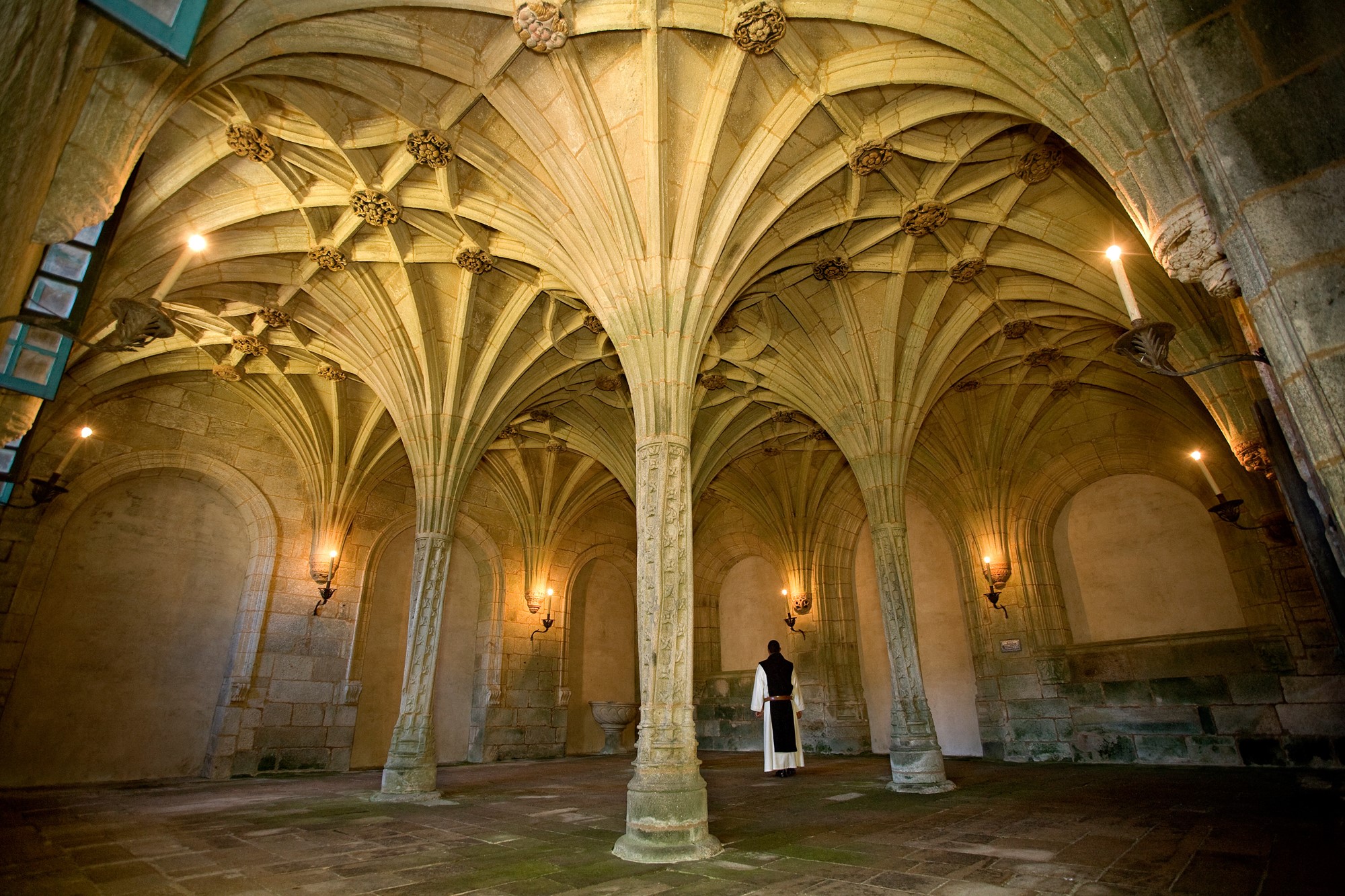 |
Monastery of Santa María de Oseira
Ribeira Sacra is a unique territory in the Galician hinterland, the very definition of cultural landscape par excellence. From prehistoric times to the present day, local populations have successfully inhabited this area full of heritage, nature and gastronomic resources. Its origins date back to the 4th century and it has been documented as a sacred territory since 1124.
The landscape has been shaped by successive religious communities and features spectacular sacred architecture. In fact, it is an exceptional testimony to the first documented monastic community in Western Christianity, which arose in 573 from various hermit settlements, eventually becoming one of the largest concentrations of monasteries in Europe, – including San Pedro de Rocas, the only surviving Swabian monastery in the world – in the midst of
lush landscapes.
|
|
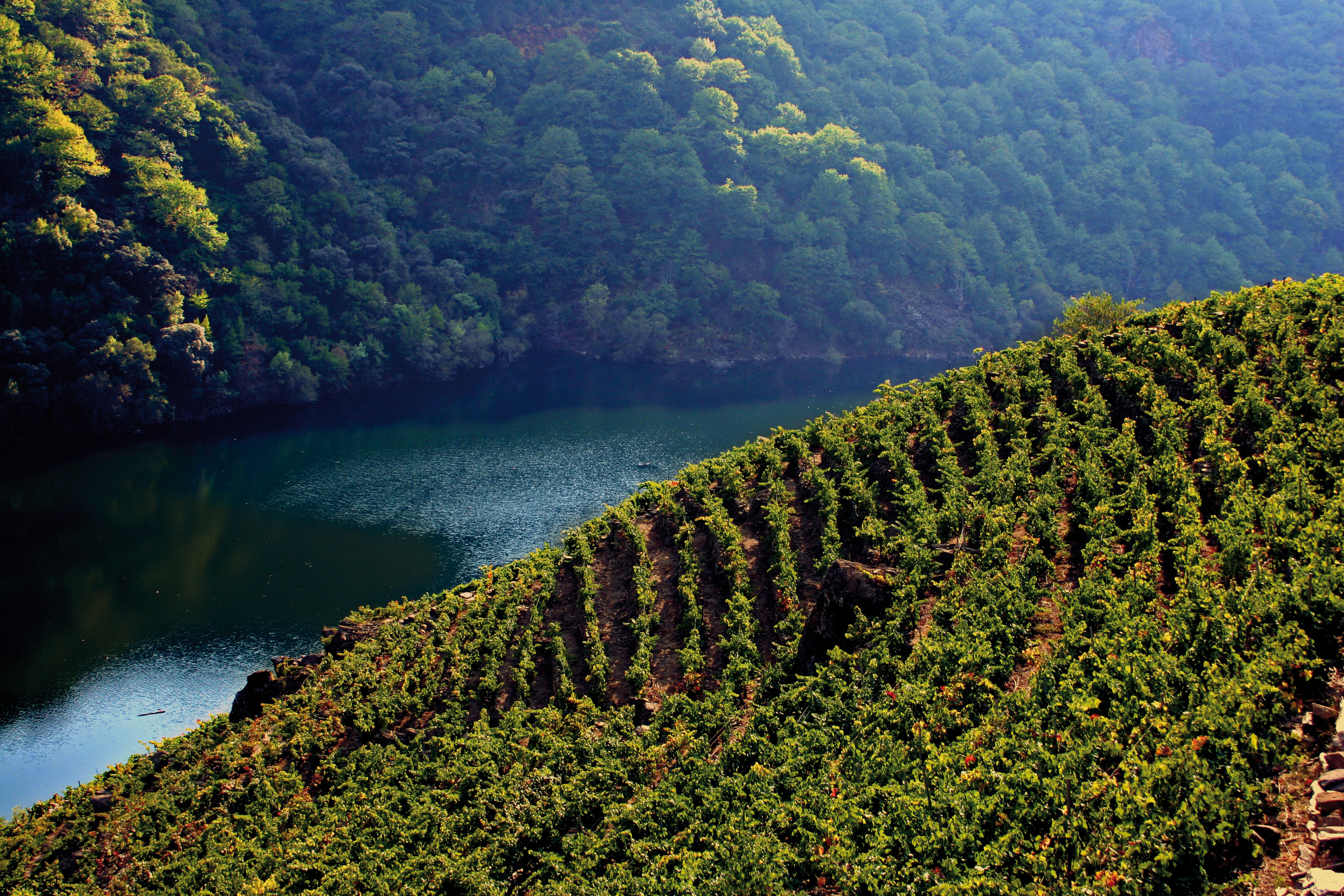 |
Vineyards of Ribeira Sacra
The hard work of the local people over the centuries has produced vineyards planted on impossibly steep slopes, which today are an extraordinary asset and a candidate for World Heritage status.
Small and large wineries, using the very latest technology, are an example of the wealth of wine-growing in Galicia, where wine production was initiated by the monastic communities that settled along the banks of the rivers. In addition to the cultivation of vines and olive groves, other traditional works are still preserved in the area and are highly valued by visitors, such as the potteries of Gundivós and Niñodaguia, which used local clay fired in handmade kilns that are now small relics rich in identity.
|
|
Home to Most Beautiful Gardens of the World |
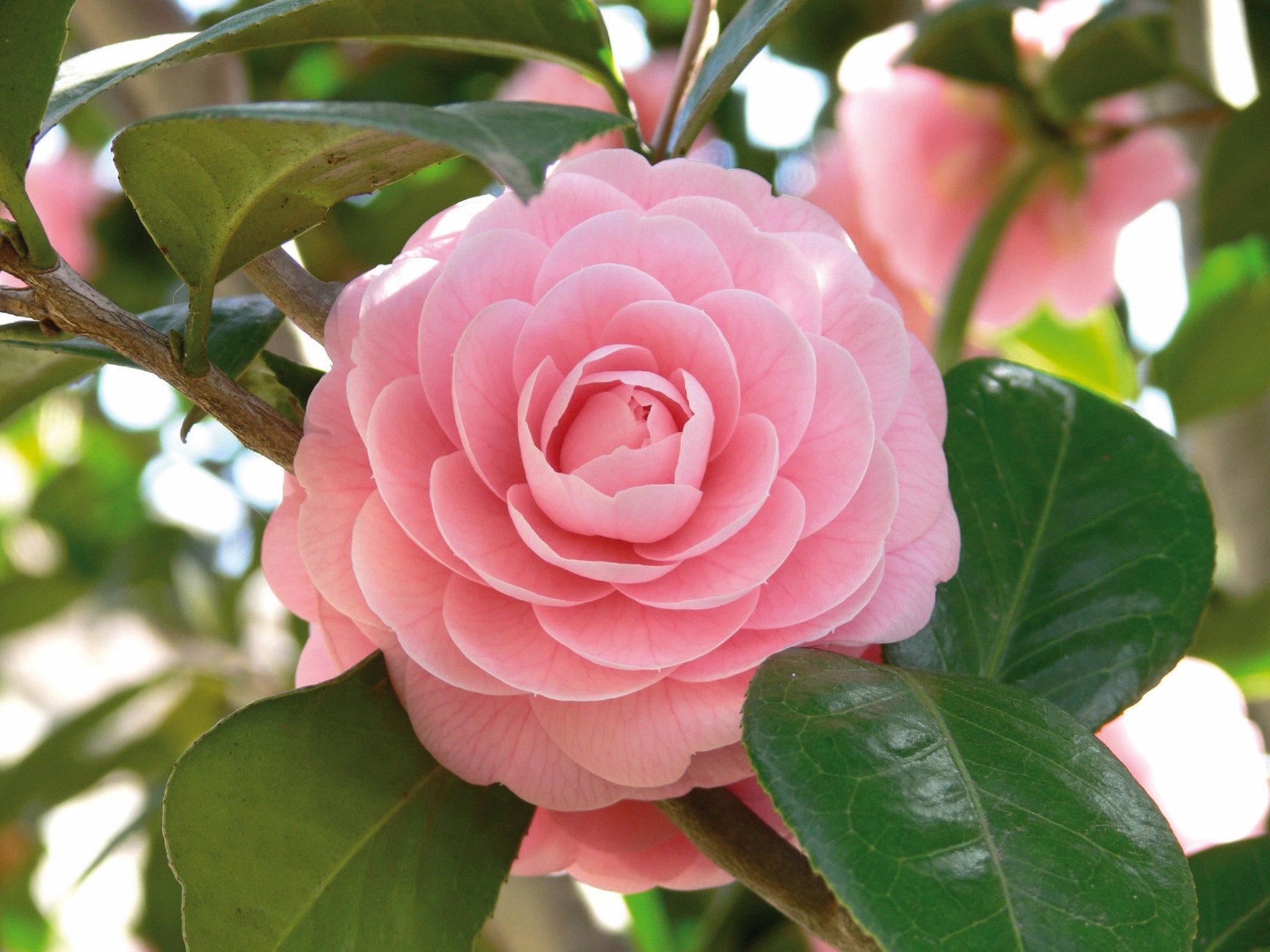 |
Galicia is currently home to nearly 8,000 varieties of Camelia
Galicia plays a major role in the European Route of Historic Gardens, which have shaped European culture and identity throughout the ages. Gardens are closely linked to places of great importance, such as royal estates, urban centres, monasteries, villas, bourgeois residences and major decision-making centres.
In Galicia, the gardens are united by the camellia, a flower that arrived in Galicia at the end of the 18th century from countries such as China and Japan, and which found here the ideal conditions to establish itself as a key feature in the decoration of manor houses, stately homes, parks and other gardens.
A tourist route has been created called the "Camellia Route", on which to explore all the secrets hidden both in the stones and in the botanical species of these places filled with a very special charm and elegance. The tour is further intensified by the great variety of local food and wine. All this makes Galicia an essential destination for lovers of garden tourism
|
|

|
|
|
|